If you want a neighborhood where everyday plans can include a trail walk, a pool afternoon, or time by the water, Steiner Ranch stands out. You are not just choosing a home here. You are choosing a lifestyle shaped by lake access, preserved open space, and a long list of resident amenities. This guide will help you understand what daily life in Steiner Ranch really feels like, along with a few practical tradeoffs to keep in mind. Let’s dive in.
Steiner Ranch at a Glance
Steiner Ranch is a large master-planned community in Travis County with about 4.5 miles of Lake Austin frontage and close proximity to Lake Travis. The community map separates residential areas, custom neighborhoods, parks, schools, preserve land, and amenity spaces, which helps explain why the area feels expansive rather than compact.
That scale matters in day-to-day life. Instead of feeling like a single small subdivision, Steiner Ranch often feels more like a residential campus with many activity zones spread throughout the neighborhood. Large greenbelt and open-space set-asides also shape the experience, giving many areas a more wooded Hill Country feel.
Lake Living Is Part of the Routine
One of the biggest draws in Steiner Ranch is how naturally the lakes fit into your week. Whether you enjoy boating, fishing, paddling, or simply being near the water, the community’s setting makes lake access part of the lifestyle rather than an occasional outing.
The Steiner Ranch HOA Lake Club at 12300 River Bend currently lists a public-access boat ramp, eight boat slips, trailer parking, lakeside fishing, a playscape, a basketball court, restrooms, and a covered pavilion. The HOA also notes that dock access is closed at this time, so it helps to confirm current access details if that feature is important to you.
For public lake outings nearby, you also have options outside the HOA system. Jessica Hollis Park on Lake Austin is located just downstream from Mansfield Dam and is known for paddle-sport access, while Mansfield Dam Park on Lake Travis is one of the main public access points for boaters in the area.
Parks and Pools Support Daily Life
Steiner Ranch offers a wide network of neighborhood parks, which makes it easier to build outdoor time into your normal routine. Instead of driving across town for recreation, you may find that many of your go-to options are already inside the community.
The HOA currently lists Bella Mar, Towne Square, and John Simpson as open parks. Depending on the park, amenities include playscapes, swings, soccer fields, basketball courts, tennis courts, picnic tables, grills, and restrooms. Park hours are listed as dawn to dusk, and some facilities use key-fob access.
The pool setup is also a major part of everyday life here. Bella Mar includes a heated lap pool that operates year-round, while Towne Square and John Simpson add more neighborhood pool choices. The HOA notes key-fob access and reservation-based pavilion use at pool areas.
If you are comparing Steiner Ranch with other West Austin-area communities, this level of built-in recreation is one of the clearest differences. The amenity structure is broad, resident-focused, and designed to support regular use.
Trails Add a Hill Country Feel
For many buyers, the trail system is what gives Steiner Ranch its strongest sense of place. The HOA says the nature trails wind through the Balcones Canyonland Preserve, creating a setting that feels more connected to the land than a typical suburban neighborhood.
These trails are reserved for residents, guests, or authorized users and are open from dawn to dusk. Motorized vehicles are not allowed. If you value access to walking and nature without leaving your neighborhood, this is one of Steiner Ranch’s most defining features.
The trail network also supports a slower, more outdoors-oriented rhythm to daily life. A quick walk after work or a weekend morning on the trails can feel close at hand, which is part of what many people mean when they describe Steiner Ranch as lifestyle-driven.
Homes Have a Distinct Look
Steiner Ranch does not read as one uniform housing tract. The community map identifies planned residential, existing residential, and custom neighborhood areas, which points to a range of housing pockets rather than a single repeated format.
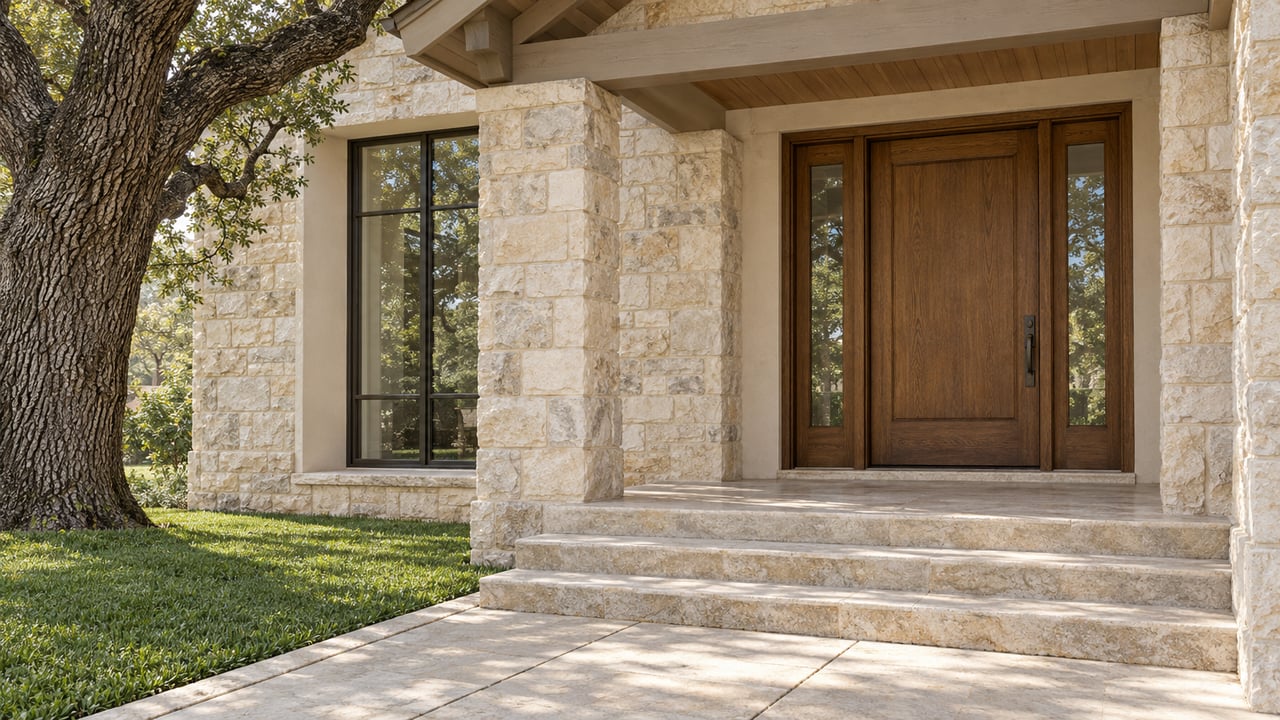
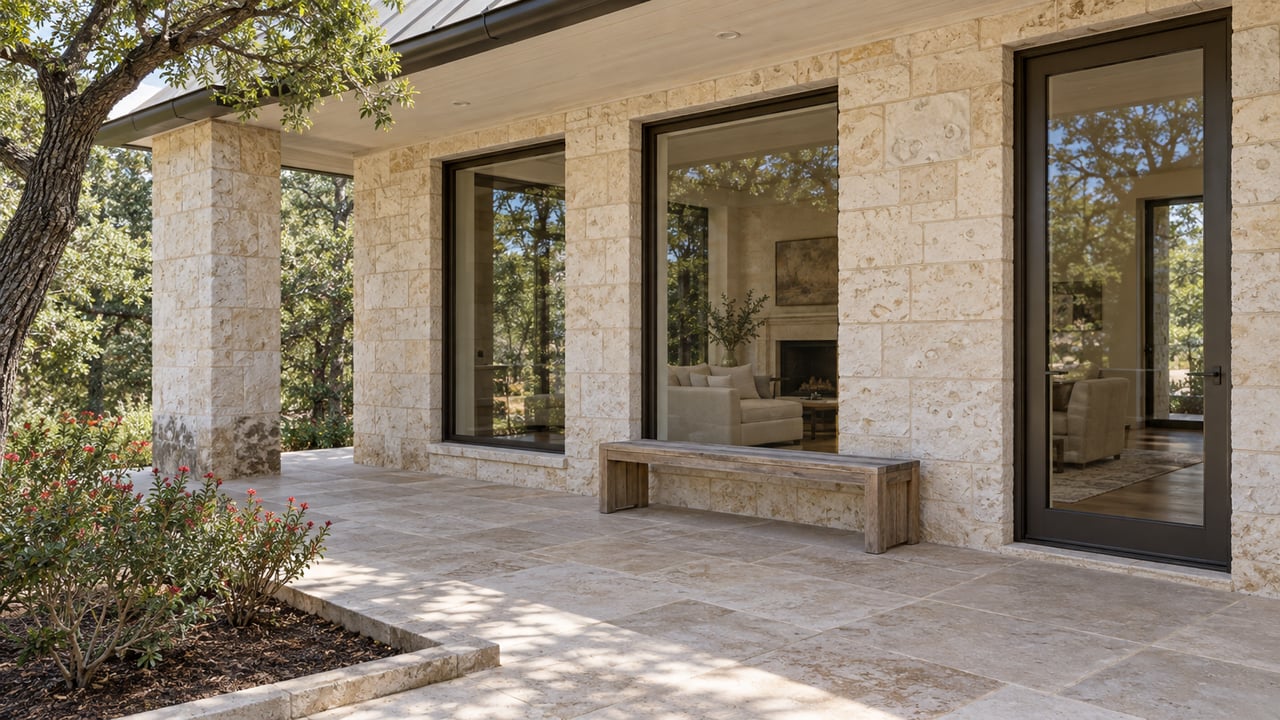
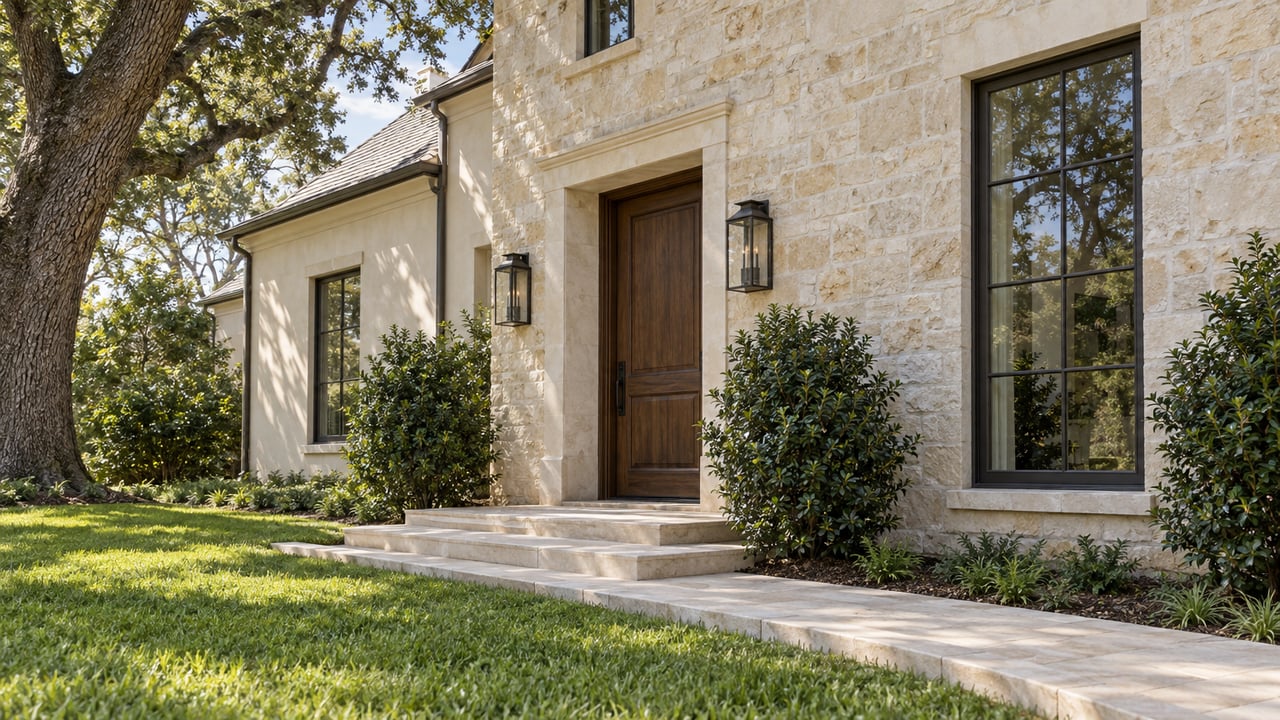
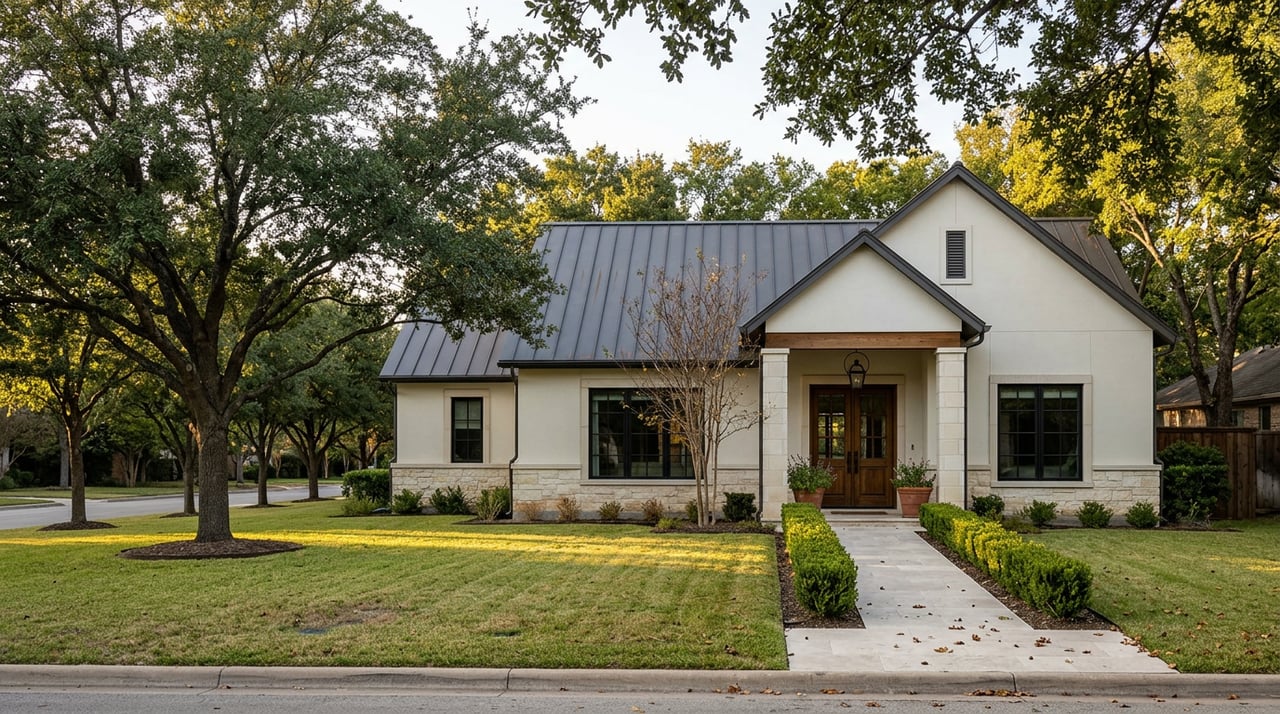
The architectural guidelines encourage one-, one-and-a-half-, and two-story homes and call for views to Lake Travis, Lake Austin, distant hills, and the greenbelt to be considered. The guidelines also require heavy use of masonry or stucco with earth-tone roofs and emphasize architecture that blends with the natural terrain.
In practical terms, that often translates to larger detached homes with a Hill Country-inspired look. Stone and stucco exteriors, view-conscious placement, and terrain-sensitive design all help shape the visual character of the neighborhood.
For buyers, that means the setting often feels more textured than a flatter suburban development. For sellers, it means presentation matters, because homes here are part of a broader lifestyle story tied to scenery, space, and outdoor living.
Errands Are Straightforward
Even with its tucked-away feel, Steiner Ranch still gives you access to practical daily shopping nearby. For many residents, the FM 620 corridor handles most routine errands without needing to head into central Austin.
The Four Points H-E-B at 7301 N FM 620 is a key grocery anchor in the area, and Target also operates a Four Points store nearby. That makes household runs and grocery trips fairly manageable for day-to-day living.
This balance is part of Steiner Ranch’s appeal. You get a more nature-oriented and amenity-rich setting, but you are not cut off from common essentials.
Commuting Is the Main Tradeoff
Every neighborhood has a tradeoff, and in Steiner Ranch the clearest one is road access. Travis County’s evacuation-route FAQ says the community currently has two roads out: Steiner Ranch Boulevard and Quinlan Park Road.
The county also notes that the north intersection of those roads can become a choke point. Eastward routes toward RM 2222 or River Place are constrained by terrain and fire fuel, while south and west options are limited by the river.
In plain terms, Steiner Ranch is best understood as a car-first neighborhood. CapMetro Express service is oriented around commuter park-and-ride travel in North Austin and outlying areas, but Steiner Ranch itself is not a transit-oriented setup.
That does not make the neighborhood less appealing. It just means you should weigh the lifestyle benefits against your own commute patterns and daily driving tolerance.
Community Life Goes Beyond Amenities
Steiner Ranch’s social side is organized through more than just the physical amenities. The HOA activities page lists a Young at Heart group along with book club, canasta, euchre, mah-jongg, biking, Ladies Lunching Out, happy hours, men’s lunch, coffee gatherings, and pickleball.
That kind of structure can make a large neighborhood feel more connected. Instead of relying only on informal meetups, residents have built-in ways to participate in recurring groups and activities.
The HOA home page also emphasizes pools, parks, trails, community centers, and a dog park. Taken together, these features support a resident-oriented culture where much of daily recreation happens close to home.
Who Steiner Ranch Fits Best
Steiner Ranch can be a strong fit if you want your home search to prioritize lifestyle as much as square footage. Buyers who value outdoor access, larger detached homes, and a neighborhood with many built-in amenities often find a lot to like here.
It can also appeal to sellers whose homes benefit from a strong lifestyle narrative. In a community where views, trails, parks, pools, and lake access all play a role, thoughtful marketing and clear positioning can help buyers understand the full value of the setting.
At the same time, it is important to be realistic. If your daily schedule depends on easy multi-route access or a transit-focused setup, Steiner Ranch may feel less convenient than some other parts of the Austin area.
The Bottom Line on Daily Life
Everyday life in Steiner Ranch is shaped by three big themes: lake access, outdoor amenities, and a resident-focused community structure. The combination of parks, pools, trails, open space, and nearby public lake access gives the neighborhood a strong identity that goes beyond the homes themselves.
The main compromise is transportation simplicity. With limited road access and known choke points, the community asks you to trade some commuting ease for a more recreation-rich setting.
If that balance fits what you want, Steiner Ranch offers a version of West Austin-area living that feels active, scenic, and intentionally planned. If you are weighing a move to Steiner Ranch or preparing to sell there, Propertysmith Realty can help you evaluate the neighborhood with the local perspective and tailored guidance you need.
FAQs
What is everyday life like in Steiner Ranch, TX?
- Everyday life in Steiner Ranch centers on lake access, neighborhood parks, pools, preserve trails, and HOA-organized amenities within a large master-planned community.
Does Steiner Ranch have lake access for residents?
- The Steiner Ranch HOA Lake Club currently lists a public-access boat ramp, eight boat slips, trailer parking, lakeside fishing, and other amenities, though dock access is currently closed.
What parks and pools are in Steiner Ranch?
- The HOA currently lists Bella Mar, Towne Square, and John Simpson as open parks, and the pool network includes Bella Mar’s heated lap pool plus additional pool options at Towne Square and John Simpson.
Are there trails in Steiner Ranch?
- Yes, the HOA says Steiner Ranch nature trails wind through the Balcones Canyonland Preserve and are open from dawn to dusk for residents, guests, or authorized users.
Is Steiner Ranch easy for commuting in Austin?
- Steiner Ranch is generally a car-first neighborhood, and Travis County notes that the community has two roads out, with the north intersection of Steiner Ranch Boulevard and Quinlan Park Road acting as a potential choke point.
What types of homes are common in Steiner Ranch?
- Steiner Ranch includes planned residential, existing residential, and custom neighborhood areas, with architectural guidelines that point to larger detached homes with masonry or stucco exteriors and a Hill Country-inspired look.