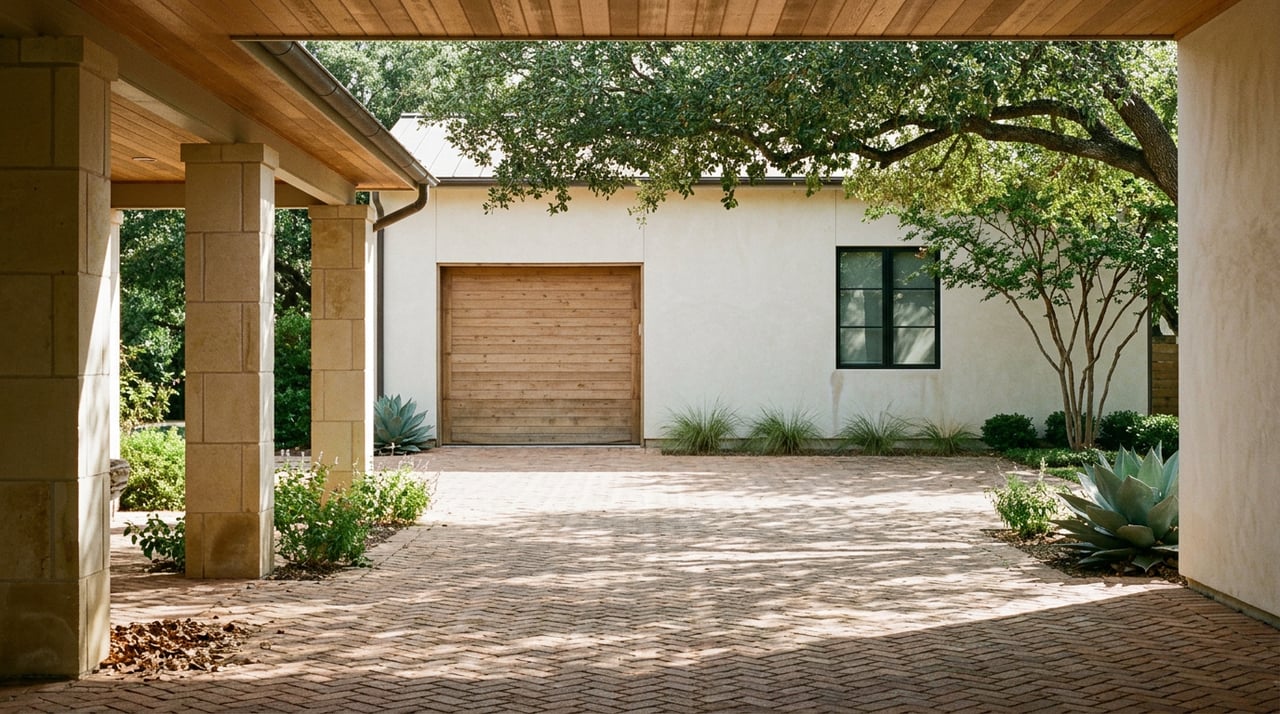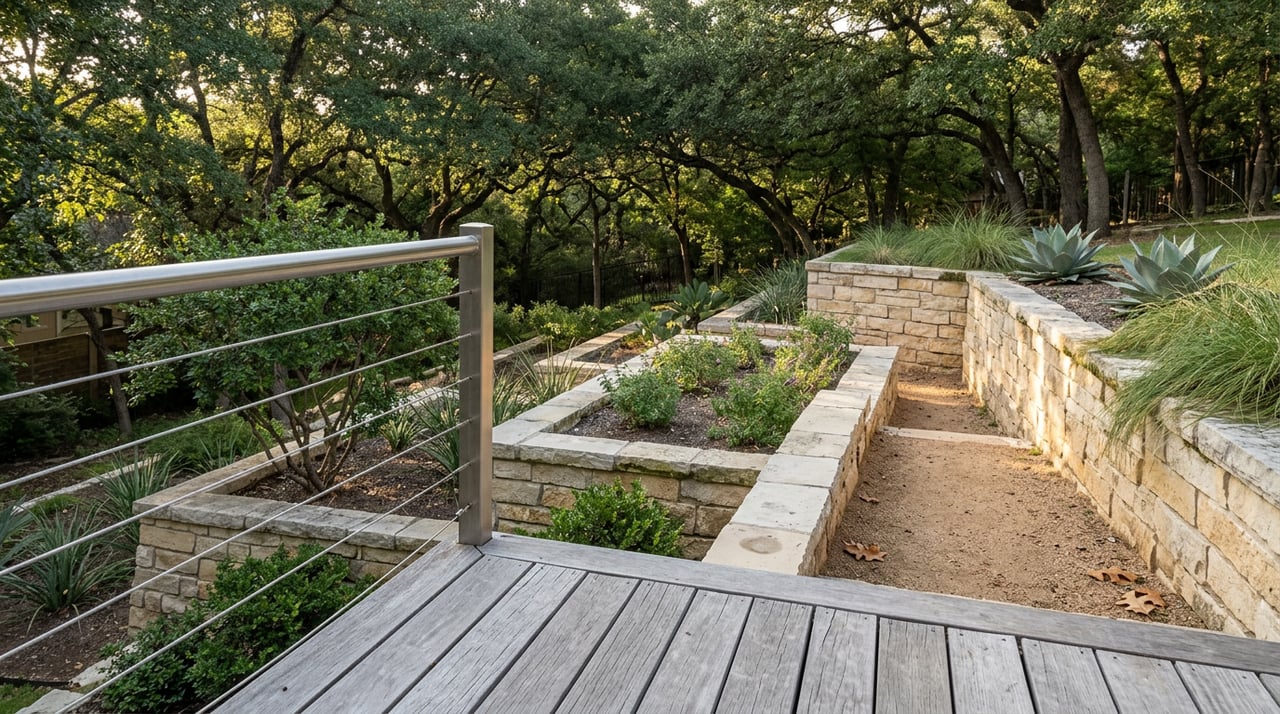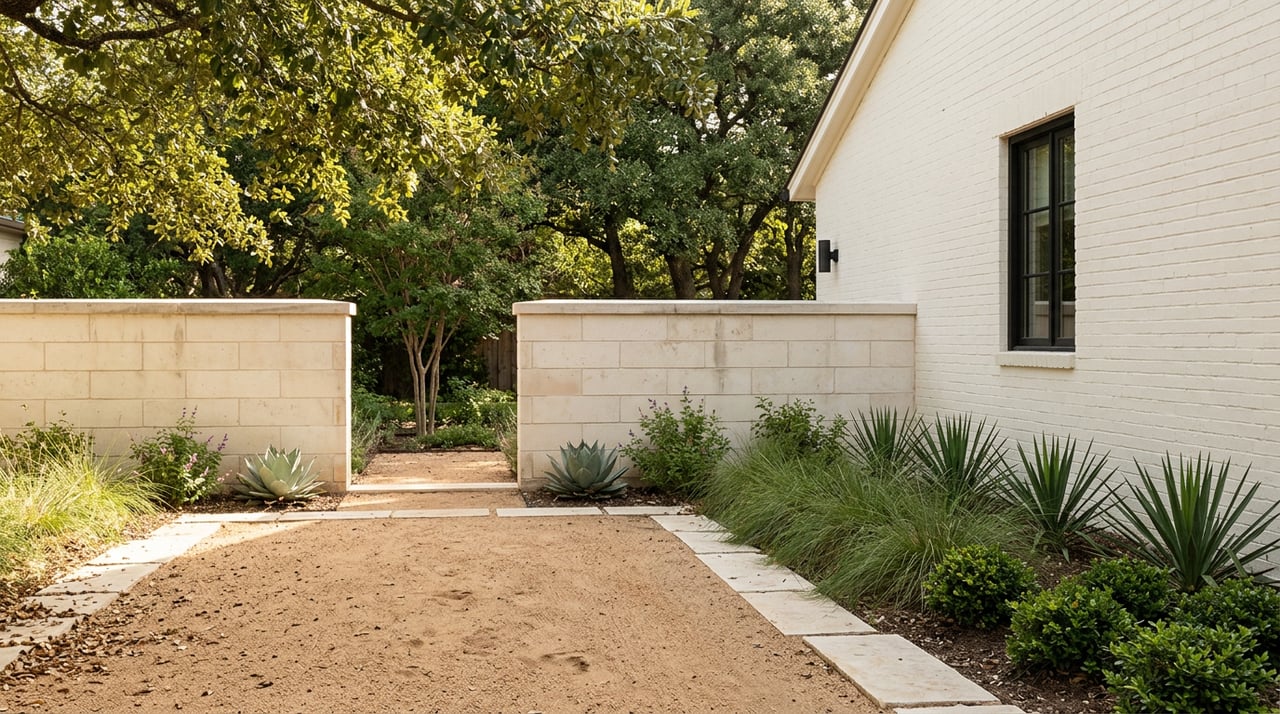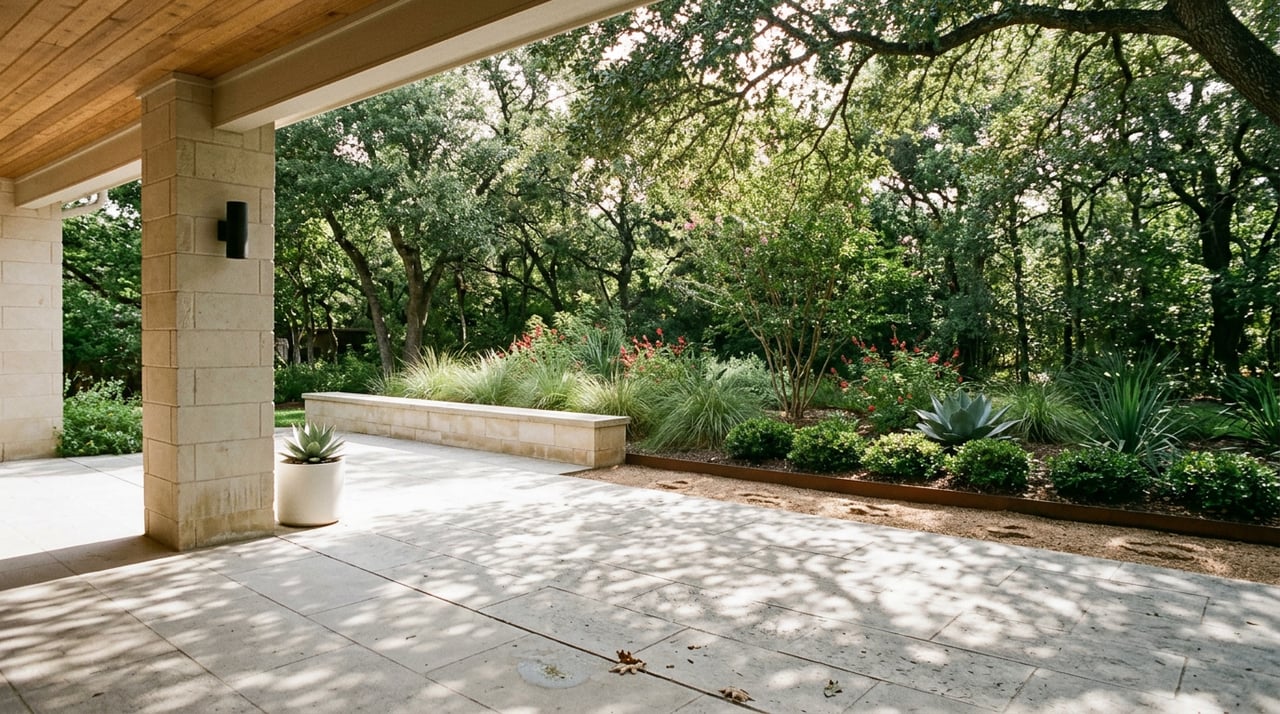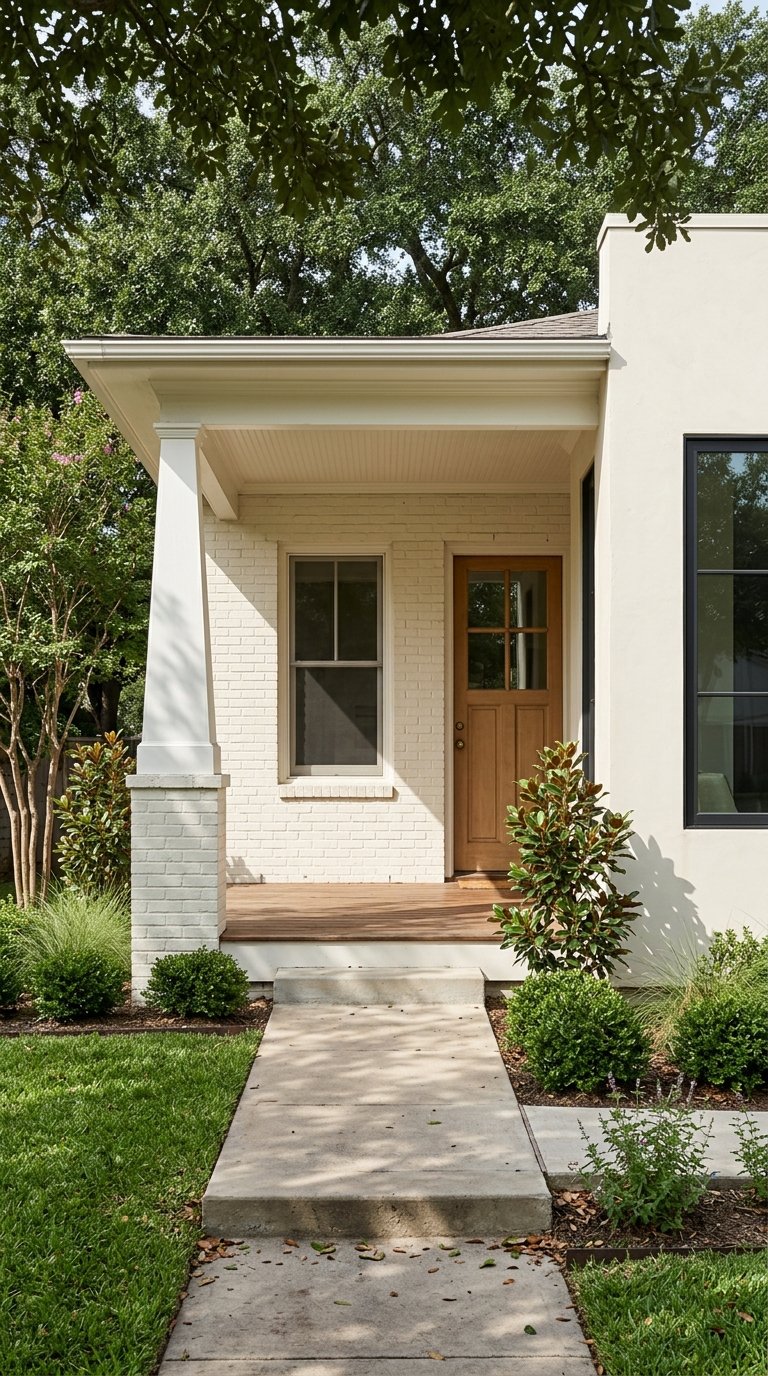
If you have toured homes in Tarrytown, you have probably noticed something right away: one block can feel rooted in old Austin, while the next looks shaped by recent infill and rebuilds. That mix can be exciting, but it can also make it harder to know what you are really comparing. This guide will help you understand how Tarrytown’s housing stock took shape, what “historic charm” often means here, and what to look for when you are weighing an older home against a newer build. Let’s dive in.
Why Tarrytown Feels So Mixed
Tarrytown did not develop all at once. According to the Central West Austin neighborhood plan, Walsh Place was platted in 1915, other subdivisions followed in the 1920s, the first “Tarry-Town” subdivision was platted in 1934, and additions continued through the late 1930s through the 1950s.
That timeline helps explain why the neighborhood can feel so layered. Instead of one dominant building era, you are more likely to see a street-by-street blend of older cottages, midcentury homes, and later replacement houses.
The same city plan describes Tarrytown as a predominantly single-family area. It also notes that many streets do not have sidewalks because the neighborhood developed before Austin required them.
Tarrytown’s setting adds to that distinct feel. The plan places its edges along Lake Austin, Lady Bird Lake, and 35th Street, with nearby amenities like Mayfield Park and Laguna Gloria contributing to the area’s mature, central-city character.
What Historic Charm Often Means
In Tarrytown, historic charm is usually not about one exact home style. More often, it shows up in the scale of the streets, mature trees, established lots, and the sense that the neighborhood evolved over time.
The city plan highlights the area’s tree canopy, and early Tarrytown marketing emphasized oak trees. That long-standing landscape is still a big part of what many buyers respond to today.
There are also specific Tarrytown-area properties recognized on Austin’s historic landmarks list, including 2900 Tarry Trail and 2210 Windsor Road. Still, that does not mean every older home in Tarrytown is historic in the formal sense.
Not Every Older Home Is Historic
This is one of the most important distinctions for buyers and sellers. An older home may have period details and long-term neighborhood character without being a designated historic landmark.
Austin separates designated landmarks, properties in historic districts, and older buildings that may be reviewed because of age. In other words, a home can be older and charming without automatically carrying the same review standards as a formally designated historic property.
That matters because the label affects what future changes may involve. If you are considering a purchase with renovation plans, it is smart to confirm the property’s status early.
What to Know About Reviews and Renovations
For many buyers, the appeal of an older Tarrytown home comes with an obvious question: how easy will it be to update? The answer depends in part on the home’s age, status, and the type of work you want to do.
Austin says exterior changes to designated landmarks and contributing properties in historic districts require historic review. The city also reviews demolitions or relocations of buildings that are at least 45 years old if they may be eligible for landmark designation.
That does not mean every project will be difficult. It does mean you should do more due diligence before assuming a remodel, addition, or teardown will follow the same path as it might in a newer subdivision.
Older Homes and Infrastructure Questions
Character is only part of the picture. In an older neighborhood, infrastructure can matter just as much as architecture.
Austin Water’s South Tarrytown Water and Wastewater Renewal project points to aging water lines in the area that have broken frequently. That is a practical reminder that older homes may come with behind-the-scenes issues that are not always obvious during a first showing.
Drainage can be worth a closer look too. The city has also documented drainage work in parts of Tarrytown, including Meredith Street, where residents have reported flooding since 1996.
That does not mean all of Tarrytown is flood-prone. It does mean buyers should look carefully at lot drainage, public improvements, and site conditions instead of focusing only on finishes and curb appeal.
Why New Builds Keep Appearing
If some Tarrytown streets feel much newer than others, there is a reason. Part of it comes from the neighborhood’s phased development history, and part comes from current city policy that makes infill more feasible.
Austin’s approved HOME code amendments allow a new small-lot single-family residential use in SF-1, SF-2, and SF-3 zoning. The city’s Residential Infill Tools are intended to make it easier and more affordable to build housing in Austin.
That broader policy backdrop helps explain why teardown and rebuild activity remains part of the Tarrytown conversation. New homes are not appearing in a vacuum. They are part of a citywide infill framework that now has more room to operate.
What New Construction Changes
New construction can offer a very different ownership experience. You may see larger square footage, newer systems, updated layouts, and a design that feels more current than the original housing stock nearby.
At the same time, newer does not always mean simpler. The Central West Austin plan notes concerns that some recent development has been much larger than surrounding houses, uses modern architecture and materials that conflict with neighborhood character, removes old and large trees, and increases impervious cover, which the plan links to more localized flooding.
For a buyer, that means the tradeoff often shifts. Instead of focusing mainly on preservation questions, you may need to pay closer attention to site planning, drainage, scale, and tree impacts.
Newer Homes Still Require Due Diligence
A newer house can feel turnkey, but it still deserves careful review. New homes and additions go through Austin Development Services permitting and inspection under current code.
That process matters because a recent build may sit on an older lot with constraints that still affect drainage, access, easements, or trees. Even when the house itself is new, the site may carry a longer development story.
This is why Tarrytown buyers often benefit from looking beyond surface-level differences. The question is not just old versus new. It is how the home fits the lot, the block, and your long-term plans.
How to Compare an Older Home to a New Build
When you are deciding between historic charm and newer construction in Tarrytown, it helps to compare the homes through a few practical lenses.
Compare Character and Layout
Older homes often offer established setting, mature landscaping, and a scale that feels tied to the original neighborhood pattern. Newer homes may offer larger rooms, more open floor plans, and updated materials.
Neither choice is automatically better. It comes down to whether you value original character and lot maturity more, or a newer layout and newer systems more.
Compare Future Flexibility
If you want to renovate, expand, or significantly alter a home over time, ask early questions about review and permitting. Older properties may involve more historic review depending on status and age.
With new builds, flexibility may depend more on lot constraints, impervious cover, drainage, and tree protection. Different home types create different planning questions.
Compare Maintenance Profiles
An older home may come with aging infrastructure, older systems, or renovation needs. A newer home may reduce some of those concerns at the start, but it can still involve site-related issues and standard maintenance over time.
It is usually more accurate to think in terms of different maintenance profiles, not maintenance versus no maintenance.
Public Records That Can Help
If you want a clearer picture of a Tarrytown property, public records can be very useful. Austin’s Property Profile tool is an official starting point for permits, plats, easements, zoning, and related development history.
TCAD’s property search is also helpful for county-level ownership and valuation information. Together, those records can help you spot whether a home is an older property with a long remodel history or a more recent rebuild on an older lot.
For buyers, that can sharpen your questions before you make an offer. For sellers, it can help you understand how your home may be positioned against nearby older and newer competition.
Tarrytown Lifestyle Still Shapes Demand
Part of Tarrytown’s appeal goes beyond the house itself. Austin Parks and Recreation identifies Mayfield Park as a 23-acre preserve with historic gardens and peacocks, and Deep Eddy Pool as a historic man-made pool built in 1915 and described by the city as the oldest swimming pool in Texas.
These local amenities help illustrate why the neighborhood feels so established and distinctive. The appeal is often tied to the surrounding landscape, recreation, and long-built neighborhood fabric as much as to any one property.
That is also why pricing and buyer interest can vary so much from one home to the next. In Tarrytown, small differences in lot feel, street character, and home history can matter.
The Bottom Line for Tarrytown Buyers and Sellers
In Tarrytown, “historic charm” and “new build” are not just style labels. They often reflect different development eras, ownership tradeoffs, and long-term planning considerations.
If you are buying, the goal is to look past first impressions and understand the full picture: age, review status, lot conditions, permitting history, and how the home fits your lifestyle. If you are selling, it helps to know exactly how your home’s character, updates, or rebuild story will read against nearby competition.
That is where neighborhood knowledge and disciplined analysis really matter. If you want help evaluating a Tarrytown property or understanding how your home would be positioned in today’s market, connect with Propertysmith Realty.
FAQs
Is every older home in Tarrytown considered historic?
- No. Austin distinguishes between designated landmarks, properties in historic districts, and older homes that may be reviewed because of age.
Do newer Tarrytown homes always have fewer maintenance concerns?
- Not always. Newer homes may have a different maintenance profile, but buyers should still review drainage, tree impacts, site constraints, and permitting history.
Why do some Tarrytown blocks look older than others?
- Tarrytown developed in phases from the 1910s through the 1950s, and newer infill and rebuild activity has added another layer to the neighborhood over time.
How can you check a Tarrytown home’s development history?
- Austin’s Property Profile tool can show permits, plats, easements, zoning, and related records, while TCAD can provide ownership and valuation information.
Should you assume school assignment based on the Tarrytown neighborhood name?
- No. Austin ISD says attendance areas are address-specific and can be re-evaluated over time, so school assignment should be confirmed by address.