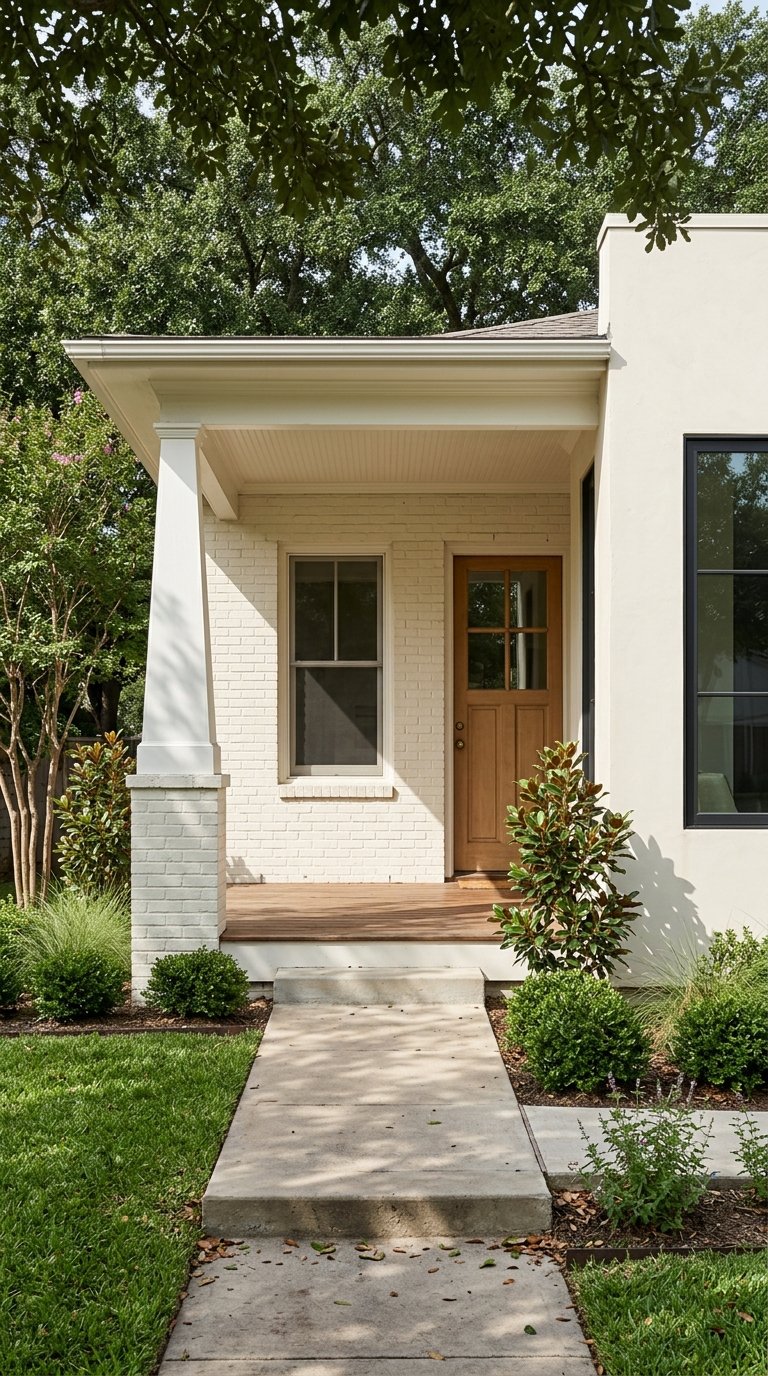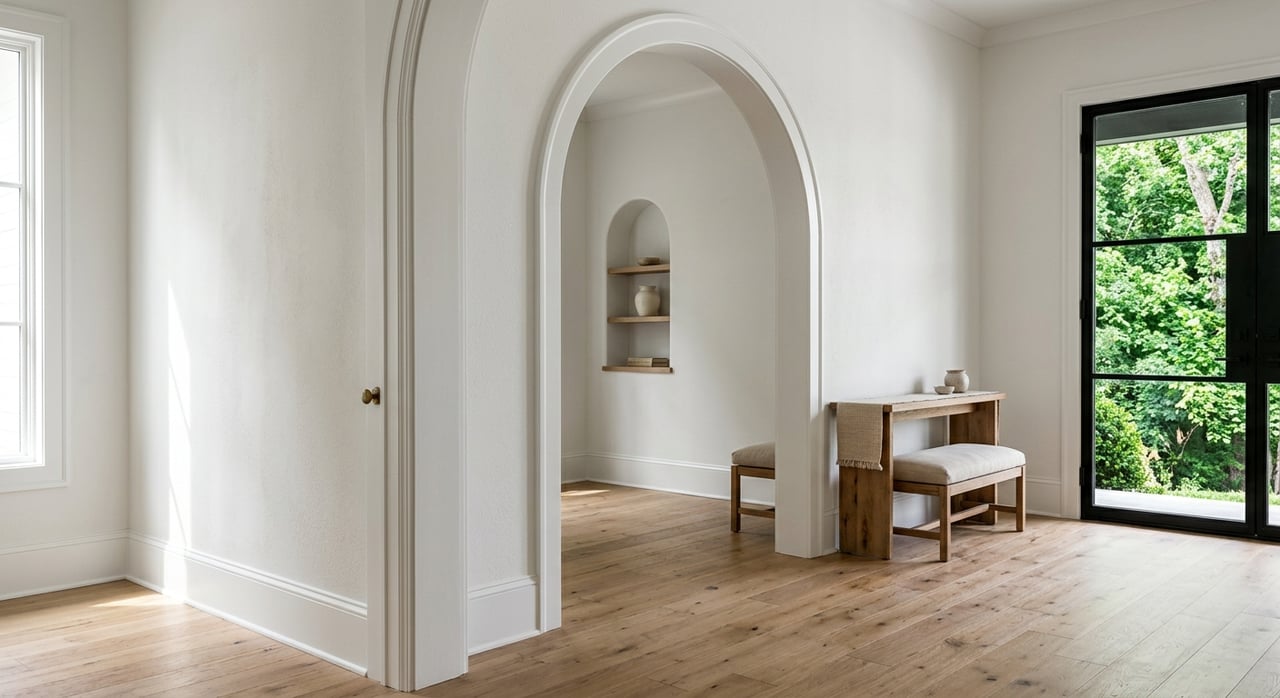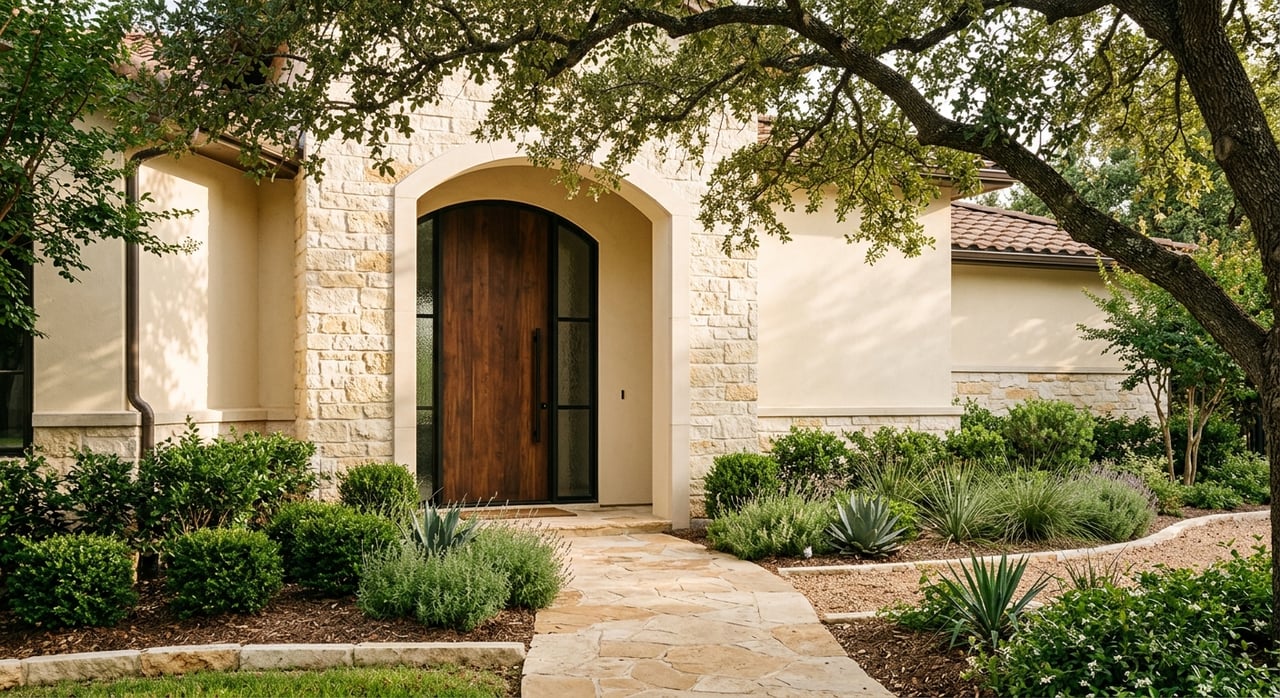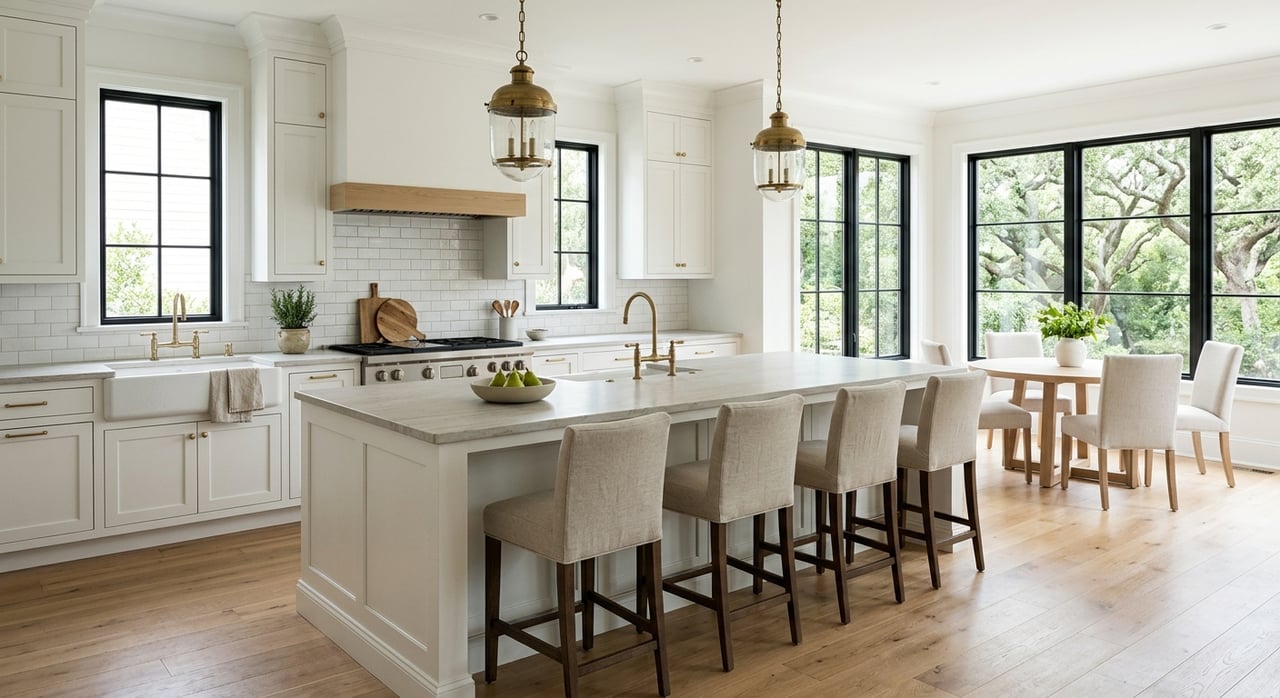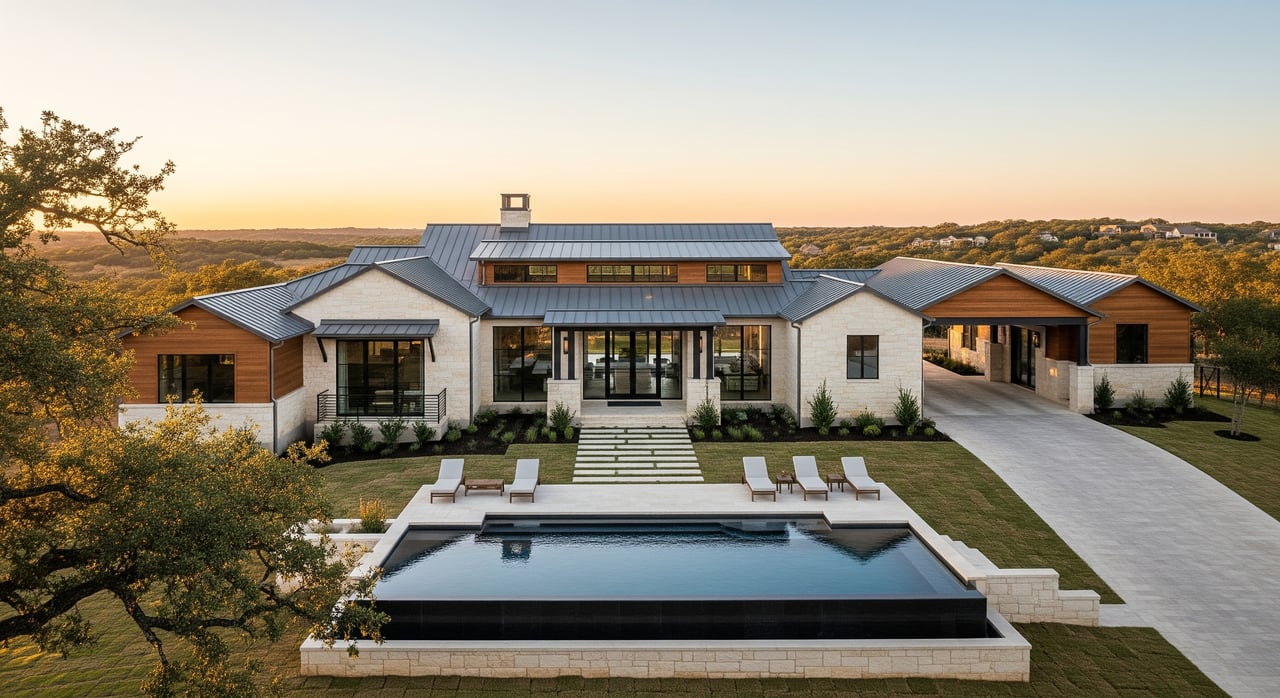
Thinking about selling in Lost Creek and wondering what your home is truly worth? Pricing here is not a simple price per square foot. Small differences in location, updates, and outdoor features can change buyer demand in a big way. In this guide, you will learn how comparable sales are chosen and adjusted in 78746, and how features like greenbelt access, remodel level, pools, and cul-de-sacs shape the final number. Let’s dive in.
What comps really are in Lost Creek
Comps are recent, nearby home sales that mirror your property as closely as possible. You start by selecting the most similar sales inside Lost Creek or immediately adjacent streets. Then you build a baseline price metric, often price per usable living square foot, and adjust for differences such as condition, lot, view, pool, and cul-de-sac location.
In Lost Creek, buyers value privacy, outdoor space, and high-quality finishes. That means greenbelt adjacency, a level and usable yard, high-end remodels, and pools often push pricing up compared to similar homes without them. The aim is disciplined reasoning: show which comps were chosen, why one is the baseline, and how each adjustment was calculated.
Start with the right micro-market
Geographic fit first
Use comps inside Lost Creek when possible. If you need to look beyond, match the topography, lot type, and greenbelt access. Hillside lots, interior lots, and greenbelt-back homes can trade at different levels, so stay within the same sub-market when you can.
Timeframe matters
Choose the most recent closed sales that reflect today’s conditions. In active markets, 3 to 6 months is typical. In slower periods, you may extend to 6 to 12 months with a time adjustment to account for changing conditions.
Features that move the needle in 78746
Greenbelt adjacency and views
Greenbelt access and views add privacy and a recreational amenity many Lost Creek buyers prize. If your home backs a greenbelt, compare it to other homes on the same or similar greenbelt segment. Avoid using a greenbelt comp as the baseline for an interior-lot home unless you clearly justify the adjustment with nearby sales.
- Selection tip: Look for paired sales on the same street where one home backs the greenbelt and another does not.
- Adjustment approach: Estimate a premium using paired sales or multiple comps to triangulate. Account for any negatives, such as trail traffic or erosion on steep slopes.
Remodel level and effective age
Remodels are not all the same. Group finish levels into categories like cosmetic updates, targeted kitchen or bath remodels, and full high-end remodels. A fully remodeled older home can compete with newer construction on perceived age and appeal.
- Selection tip: Favor comps with a similar finish level and effective age.
- Adjustment approach: Use market data first. If market data is thin, consider cost to cure as a guide, while noting that cost and value added are not always equal.
Pools and outdoor amenities
In Austin’s climate, pools can be a net positive, but value depends on condition and buyer expectations. A modern pool with updated equipment and safety features is more marketable than an older, deferred-maintenance pool.
- Selection tip: Compare sales with similar pool quality when possible.
- Adjustment approach: Weigh solds with and without pools in the same sub-market. Consider buyer preference, replacement cost, and how often buyers in Lost Creek actively search for pools.
Cul-de-sacs and privacy
Cul-de-sacs often attract buyers who want reduced traffic and an intimate setting. Some cul-de-sacs offer larger or irregular lots that enhance privacy and yard usability.
- Selection tip: If your home sits on a cul-de-sac, give more weight to cul-de-sac comps.
- Adjustment approach: Use nearby sales to estimate a modest premium. Adjust for any lot-specific downsides such as drainage.
How pros adjust comps step by step
Step 1: Collect the right data
Gather 3 to 6 closed sales as primary comps, plus current active and pending listings to read buyer sentiment. Confirm living area, lot size, beds and baths, pool details, garage, days on market, remodel notes, and sale dates. Use MLS data for solds, TCAD for lot and build info, and local maps for greenbelt and flood considerations.
Step 2: Pick your baseline comp
Choose the comp that requires the fewest adjustments and is most similar in location and condition. This becomes your anchor for price per usable living square foot.
Step 3: Quantify the differences
- Measurable features: Adjust living area using local price per usable square foot. Apply market-based deltas for bedrooms, bathrooms, and lot size bands.
- Qualitative features: Estimate premiums or discounts for remodel level, greenbelt adjacency, cul-de-sac setting, and pools using paired sales or triangulation. When exact local data is limited, note a low to high range and explain the rationale.
Step 4: Reconcile into a value range
After adjustments, each comp points to an indicated value. Weigh the most recent and most similar comps more heavily. Then reconcile into a final suggested price or a narrow range with a clear explanation of the weighting.
Step 5: Run sensitivity checks
Test how changes to key assumptions would affect value. For example, see how the price shifts if the greenbelt premium is on the low side versus the high side. This helps you set a list price that matches your risk tolerance.
Price per square foot, used correctly
Price per square foot is a helpful starting point, but it can mislead if you ignore the big drivers. In Lost Creek, lot usability, views, greenbelt access, pool quality, and remodel level can swing pricing more than square footage alone. Treat $ per square foot as a baseline and let the adjustments reflect how buyers actually compare homes.
Why active and pending listings matter
Closed sales define market value, but actives and pendings tell you where the market is heading today. In a fast seller’s market, buyers may overlook some flaws and bid up. In a balanced or buyer’s market, exact condition and amenities become more decisive. Let current inventory, days on market, and list to sell ratios inform your pricing strategy.
A simple self-audit before you price
Use this quick checklist to frame your comps search:
- Location fit: Are your best comps inside Lost Creek with similar topography and greenbelt presence?
- Time window: Are they recent enough to reflect today’s conditions?
- Living area: Are you comparing usable, conditioned square footage?
- Remodel level: Do the finishes and systems match your home’s effective age?
- Outdoor features: Do the comps match your pool status, yard usability, and view?
- Street setting: Are the comps on similar traffic patterns or cul-de-sacs?
What a custom Lost Creek valuation includes
A credible local valuation typically includes 3 to 6 primary comps with photos and clear selection logic, plus actives and pendings for context. You should see an itemized adjustment table that spells out dollar or percentage changes for each difference. The report should conclude with a reconciled value range, a suggested list price, sensitivity notes, and practical recommendations on minor improvements, disclosures, and staging that fit the comps.
To build this for your home, you provide the address, recent photos, a list of upgrades and dates, major system invoices, and access for an on-site check if possible. This on-the-ground view helps confirm lot usability, finish quality, and any greenbelt or drainage nuances that photos can miss.
Common pitfalls to avoid
- Relying on distant comps with different topography or amenities.
- Treating price per square foot as the final answer without adjustments.
- Ignoring remodel quality, pool condition, or cul-de-sac factors that buyers weigh heavily.
- Mixing non-arm’s-length or distressed sales into your core set without noting the bias.
- Overlooking floodplain status or trail traffic when evaluating greenbelt proximity.
Ready to price with confidence
A careful comp set and disciplined adjustments can turn uncertainty into a clear, defensible pricing plan. If you want a Lost Creek valuation built on neighborhood expertise and a CPA-informed approach to adjustments, our team can help you see the numbers and the story behind them. Reach out to Propertysmith Realty to start your personalized valuation.
FAQs
How do comps determine price in Lost Creek?
- Comps set a baseline using recent nearby sales, then adjustments account for differences like remodel level, greenbelt adjacency, pools, and cul-de-sac location.
What makes a greenbelt premium credible?
- Use paired sales on the same or nearby streets, or triangulate multiple comps, and document the rationale and range for the adjustment.
Do pools always add value in 78746?
- Pools can add value in Austin’s climate, but the premium depends on pool condition, safety features, and what local buyers are prioritizing at that time.
Should I remodel before listing?
- Consider cost versus likely market return and timing. Cosmetic updates and targeted kitchen or bath refreshes often show well, but large projects require careful analysis of expected payback.
How many comps do I need for a pricing decision?
- Aim for 3 to 6 solid closed comps plus actives and pendings for context, then reconcile to a final value range with clear weighting.
Can I use comps outside Lost Creek?
- Only if they closely match topography, lot type, and amenities. Document the reason and any added uncertainty when you step outside the subdivision.